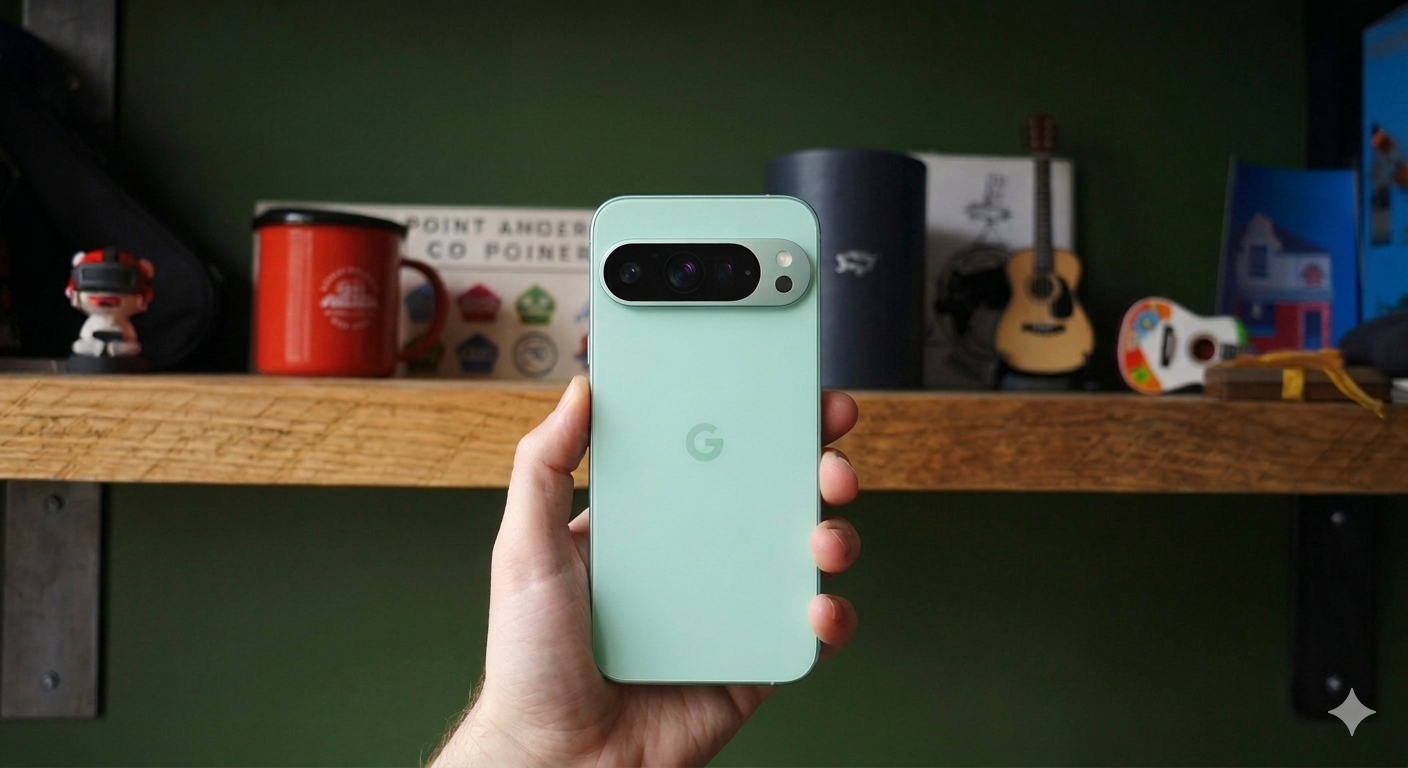
In 2026, we no longer ask if a smartphone camera is “good.” We ask how much of the heavy lifting is being done by the glass, and how much is being done by the silicon. If you are standing in a tech store today, you are likely torn between three legendary names: the Apple iPhone 16, the Samsung Galaxy S24, and the Google Pixel 9.
While these aren’t the newest “Ultra” or “Pro Max” models hitting the shelves this year, they remain the most popular choices for everyday photography. But which one captures the “vibe” of your life most accurately? Whether you are a budding content creator, a parent capturing memories, or an Instagram enthusiast, this camera comparison will help you find your perfect match.
Hardware Breakdown: The Tale of the Tape
Before we dive into the AI magic, let’s look at the physical tools these phones are working with. In 2026, hardware still matters because a better sensor provides cleaner data for the AI to process.
| Feature | Apple iPhone 16 | Samsung Galaxy S24 | Google Pixel 9 |
| Main Sensor | 48MP Fusion (f/1.6) | 50MP Wide (f/1.8) | 50MP Wide (f/1.68) |
| Ultrawide | 12MP (f/2.2) | 12MP (f/2.2) | 48MP (f/1.7) |
| Telephoto | None (2x Sensor Crop) | 10MP (3x Optical) | None (2x Sensor Crop) |
| Selfie Camera | 12MP TrueDepth | 12MP Dual Pixel | 10.5MP Dual PD |
The Samsung Advantage: Optical Zoom
The Samsung Galaxy S24 is the only phone in this base-model trio that includes a dedicated telephoto lens. While Apple and Google use “sensor cropping” to give you a 2x optical-quality zoom, Samsung gives you a physical 3x zoom. If you frequently find yourself at the back of a lecture hall or at a concert, the S24 is the clear hardware winner.
The Pixel Advantage: Light Sensitivity
The Google Pixel 9 sports a massive 48MP ultrawide sensor. In 2026, this remains one of the best ultrawide cameras on the market, allowing for incredible detail in landscape shots and much better performance in low-light “group selfies.”
Real-World Photography: Color, Contrast, and Clarity
Hardware is only half the story. The way these phones “see” the world is governed by their processing engines: Apple Intelligence, Galaxy AI, and Google Gemini.
Apple iPhone 16: The “Naturalist”
Apple’s philosophy in 2026 remains focused on realism. Photos from the iPhone 16 look exactly like the scene in front of you.
- Pros: Excellent skin tone accuracy (Smart HDR 5) and the best shutter speed in the business. It’s the best for capturing moving subjects, like pets or toddlers.
- New for 2026: The Camera Control button allows you to slide your finger to adjust exposure or depth of field instantly, making it feel more like a professional DSLR.
Samsung Galaxy S24: The “Social Media Star”
Samsung loves color. If you want photos that are bright, punchy, and ready to post without a filter, the S24 is your best friend.
- Pros: High saturation and sharp details. The night mode (Nightography) is exceptionally bright, turning near-darkness into visible scenes.
- Cons: Sometimes the colors can look a bit “atomic” or unrealistic, especially with greens and blues.
Google Pixel 9: The “Artist”
The Pixel 9 doesn’t just take a photo; it interprets it. Google’s HDR+ remains the gold standard for balancing bright skies and dark shadows.
- Pros: Best-in-class contrast and “mood.” It captures the atmosphere of a room better than any other phone.
- Key Insight: The Pixel 9 is famous for its Face Unblur and Top Shot features, ensuring that even if someone blinks, the AI can find a frame where they didn’t.
Video Performance: Is Apple Still the King?
If you are a vlogger or TikToker, the video comparison is arguably more important than the photo comparison.
- Apple iPhone 16: Still the undisputed champion. With Spatial Video (which you can watch back in 3D on a Vision Pro) and Log recording capabilities, the iPhone 16’s video is smoother and more professional.
- Google Pixel 9: Google has caught up significantly with Video Boost. This feature uploads your video to the cloud, processes it with AI, and sends it back with vastly improved lighting and stabilization. It looks amazing, but the “processing” time can be annoying.
- Samsung Galaxy S24: Great for versatile shooting thanks to the zoom lens, but it occasionally suffers from “jitter” when switching between lenses while recording.
AI Features: The Game Changer in 2026
By 2026, we are doing things with our phone cameras that seemed like science fiction a few years ago.
- Google’s “Add Me”: This is the standout feature of the Pixel 9. You take a group photo, then swap places with the photographer. The AI merges both photos so everyone—including the photographer—is in the final shot.
- Samsung’s Generative Edit: Don’t like that trash can in the background? Circle it, and the S24 will remove it and fill in the background using AI. It’s incredibly intuitive.
- Apple’s Clean Up: Apple finally introduced its own version of the “Magic Eraser.” It’s slightly more conservative than Google’s, focusing on removing small distractions rather than reinventing the whole photo.
Conclusion: Which Camera Should You Choose?
In the battle of Apple iPhone 16 vs Samsung Galaxy S24 vs Google Pixel 9, the “best” camera depends on your personality:
- Choose the iPhone 16 if you want the most reliable video, natural colors, and a physical button that makes photography feel “tactile.”
- Choose the Galaxy S24 if you need a zoom lens for travel and want bright, vibrant photos that “pop” on Instagram.
- Choose the Pixel 9 if you love AI tricks like “Add Me” and want a camera that handles difficult lighting better than anything else.